The Role of IoT in Ensuring Safety During Extreme Weather Events
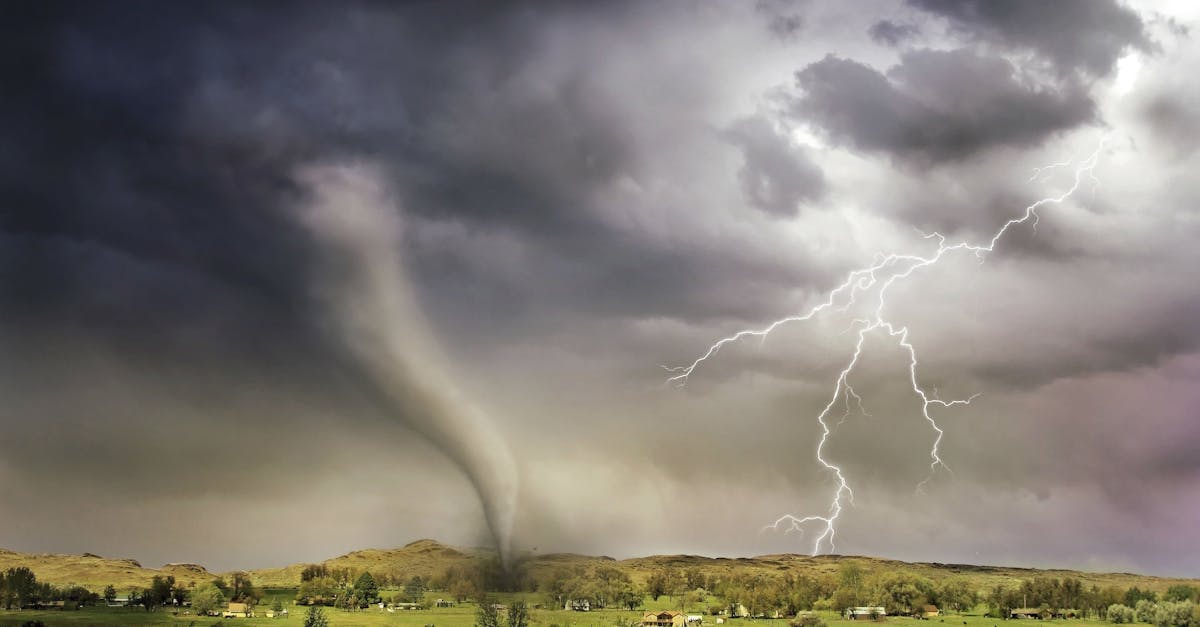
When extreme weather events strike, they pose significant challenges and threats to communities, infrastructures, and individuals. As the frequency and intensity of these events increase due to climate change, ensuring safety and minimizing damage is becoming increasingly important. At Smart Lands, we believe that leveraging IoT technology can create a resilient and adaptive framework to safeguard people and property during these times.
## Understanding Extreme Weather Events
Extreme weather events encompass a range of phenomena including hurricanes, tornadoes, floods, thunderstorms, and heatwaves. These events can lead to major disruptions such as power outages, communication breakdowns, and widespread damage to infrastructure. The unpredictability and rapid onset of these events make real-time monitoring and response crucial elements in mitigating their impact.
### The Role of IoT in Monitoring
By integrating IoT technology into extreme weather management systems, we can enhance real-time data collection and analysis, which is vital for effective monitoring. IoT devices such as weather sensors and satellite-based tracking systems provide precise measurements of environmental conditions. These devices continuously gather data on temperature, humidity, atmospheric pressure, and other meteorological parameters.
- **Real-time Alerts:** IoT systems can send real-time alerts to authorities and the public. This early warning system allows for timely evacuations and preparations.
- **Data Analytics:** The vast amounts of data collected are processed using advanced analytics to forecast potential weather changes, enabling preemptive actions.
## Enhancing Communication and Coordination
Effective communication is paramount during extreme weather events. IoT plays a pivotal role in ensuring continuous information flow between emergency services, local government, and communities.
- **Smart Communication Networks:** IoT-enabled networks ensure that communication lines remain open even when traditional infrastructures fail. Devices like emergency beacons and portable communication hubs can connect via satellite or mesh networks, providing resilience against outages.
- **Integration with Social Media:** IoT devices can also automate updates to social media platforms, informing a wider audience instantly about safety instructions and resource availability.
## IoT in Infrastructure Resilience
IoT technologies contribute significantly to increasing the resilience of infrastructure, reducing the impact of extreme weather on essential services.
- **Smart Grids and Energy Management:** IoT in smart grids can predict energy load stresses and dynamically adjust distribution to maintain service during storms. For example, [LiFePO4 batteries](https://smartlandstech.com/products/energy-storage) ensure uninterrupted power supply by storing energy that can be dispatched when grids are down.
- **Structural Safety Monitoring:** Building sensors can detect stress points and potential structural damages, providing real-time data to engineers and prompt maintenance before failures occur.
## Personal Safety and Convenience
Ensuring individual safety during extreme weather is as important as protecting communal infrastructure.
- **Wearable Devices:** IoT wearables can monitor an individual's health parameters and issue alerts if there are significant deviations due to extreme temperature conditions, ensuring timely medical interventions.
- **Smart Home Integration:** IoT-enabled smart home devices, such as [security cameras](https://smartlandstech.com/products/security-cameras) and lighting control systems, can provide real-time updates and control from remote locations, allowing individuals to monitor their homes and make informed decisions.
## Case Studies and Practical Applications
Implementing IoT-based systems in extreme weather management isn’t just a theoretical advantage; there are multiple successful case studies demonstrating their effectiveness.
- **Flood Detection Networks:** Deploying IoT sensors in flood-prone areas aids in early detection and alerts, reducing disaster related injuries and losses.
- **Hurricane Response:** Some coastal cities have implemented IoT networks that automate evacuation routes and manage resource distribution based on real-time data analysis during hurricanes.
## Conclusion
The integration of IoT into the management of extreme weather events is not just an innovation; it is a necessity for the future. As Smart Lands, we are committed to using our full range of IoT devices and clean energy solutions to enhance community safety and resilience. To learn more about how our products can serve you in preparing for extreme weather events, [visit our website](https://smartlandstech.com/) to discover more. Embrace the power of IoT with us to create safer and more resilient communities.