Maximizing Energy Efficiency in Hotels: A Guide to Using IoT Lighting Control Systems
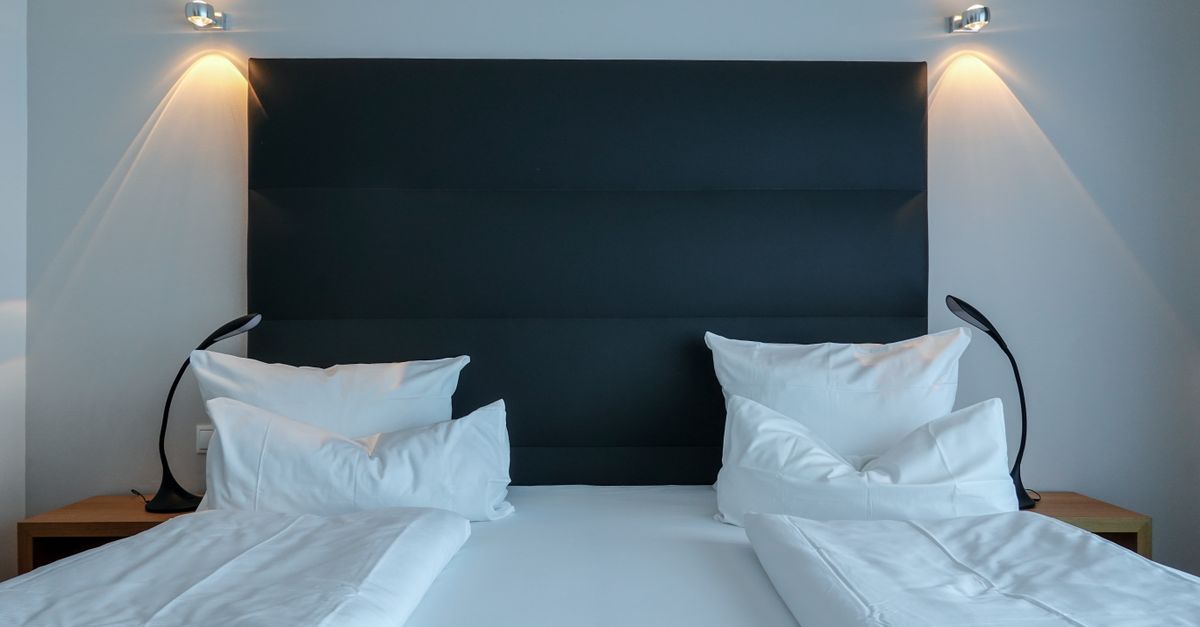
Implementing energy-efficient systems in the hospitality industry is not just a trend but a necessity that can lead to significant benefits for both the environment and the bottom line. At Smart Lands, we've been deeply involved in revolutionizing how hotels operate through advanced IoT lighting control systems, ensuring that you don't just minimize energy usage but also enhance the guest experience.
### Understanding IoT Lighting Control Systems
IoT (Internet of Things) lighting control systems are an integral part of smart hotels. They are designed to offer remote management of lighting, allowing hotel managers to adjust lighting based on occupancy, time of day, or ambient light conditions. These systems offer tremendous flexibility in controlling energy consumption, enhancing both the operational efficiency of the hotel and guest satisfaction.
### Benefits of IoT Lighting Control Systems
Implementing IoT-enabled lighting systems can transform a hotel’s operations and environmental impact:
- **Energy Efficiency:** IoT lighting systems significantly reduce energy consumption by utilizing sensors and remote management tools. They can automatically switch off lights in unoccupied areas or adjust brightness based on the available natural light.
- **Cost Reduction:** With energy costs comprising a large portion of operating expenses in hotels, reducing lighting costs can make a substantial difference. Implementing these systems can decrease electricity bills by up to 30%.
- **Maintenance Efficiency:** Predictive maintenance features enabled by IoT can identify faults before they become significant issues, reducing downtime and repairs.
- **Enhanced Guest Experience:** Personalized lighting settings enhance the guest experience by allowing guests to customize lighting preferences right from their smartphones.
### Key Features of IoT Lighting Systems
1. **Smart Sensors:** These detect motion, occupancy, and ambient light to optimize energy use by adjusting lighting automatically.
2. **Remote Accessibility:** Facility managers can control and monitor lighting from anywhere in the world, offering convenient management solutions.
3. **Integration with Other Systems:** IoT lighting can integrate with HVAC (Heating, Ventilation, and Air Conditioning) and security systems to create a fully connected hotel environment, optimizing overall energy usage.
4. **User Control and Automation:** Guests can use mobile applications to control room lighting settings, enhancing their comfort during their stay.
### Implementing IoT Lighting Systems in Hotels: A Step-by-Step Guide
#### Step 1: Conducting an Energy Audit
Before implementing a new system, conduct an energy audit to understand current energy consumption patterns. An audit helps identify key areas where IoT systems can provide the most benefit.
#### Step 2: Defining Requirements
Identify hotel areas that will benefit most from IoT lighting systems, such as lobbies, conference rooms, and parking areas, considering factors like customer occupancy and natural lighting availability.
#### Step 3: Selecting the Right System
Choose systems that offer scalability and compatibility with existing hotel technology. Consider [LiFePO4 batteries](https://smartlandstech.com/products/lifepo4-batteries) for efficient energy storage, enhancing the effectiveness of your IoT setup.
#### Step 4: Installation and Setup
Collaborate with experienced service providers to install and set up the system, ensuring proper configuration for optimal performance and integrating it with other IoT solutions.
#### Step 5: Training and Monitoring
Train staff to use and manage the system efficiently. Regularly monitor the system’s performance and update settings based on occupancy patterns and seasonal changes.
### Overcoming Common Challenges
- **Integration Complexity:** Working with a skilled IoT integrator is crucial for seamless system integration.
- **Cost Concerns:** While initial costs may be high, consider the long-term savings from reduced energy consumption and maintenance.
- **Data Security:** Implement robust cybersecurity measures to protect guest data and hotel operations.
### Case Study: A Success Story
Hotels that implemented IoT lighting systems reported savings of up to 30% in energy costs within the first year. By using [Deep Cycle Batteries](https://smartlandstech.com/products/deep-cycle-batteries) and [Portable Solar Panels](https://smartlandstech.com/products/portable-solar-panels), these hotels could maximize their energy efficiency and integrate sustainable practices.
### Future Trends in Hotel IoT Lighting
Looking forward, the integration of AI in IoT systems is set to enhance personalization and predictive analytics, further customizing guest experiences and operational efficiencies.
### Conclusion
Maximizing energy efficiency through IoT lighting control systems is a game-changer for hotels seeking sustainability and guest satisfaction. By harnessing the power of IoT, hotels not only improve their operational efficiency but also significantly enhance the guest experience, positioning themselves as leaders in sustainable hospitality.
For more information on adopting IoT solutions in your hotel, visit [Smart Lands](https://smartlandstech.com/) and explore our range of IoT-enabled products tailored for the hospitality industry.